
Quick Facts
- OFS provides services from 45 stations located across the city. Collectively, these stations provide service to over one million residents across 2,796 square kilometres.
- OFS has almost 1,500 staff including firefighters as well as inspection, education, safety, training, communications, and maintenance personnel.
Project Description
Bronson was hired by Ottawa Fire Services (OFS) to prepare a study of existing fire training facilities and projected training demand, outlining factors which may necessitate investment in a new replacement training facility.
Business Challenge
Construction of new training facilities would require significant investment and therefore the need must be clearly demonstrated. Analyzing the age, capacity and suitability of existing training infrastructure is a necessary first step. Assessing the adequacy of these existing resources requires contrasting this current state against projected training demand for both recruits and existing staff. This required a multi-faceted analysis of issues and trends which will impact future training requirements, including the following key factors:
- Training requirements are clearly and demonstrably linked to municipal growth; the City of Ottawa continues to experience rapid growth, both in terms of increasing population and geographic expansion.
- Urban densification also has an impact on training requirements, as increasing building heights and congestion create different operating environments requiring development of related skill sets.
- Regulatory requirements also change over time, with both training and health and safety requirements becoming more stringent and rigorous.
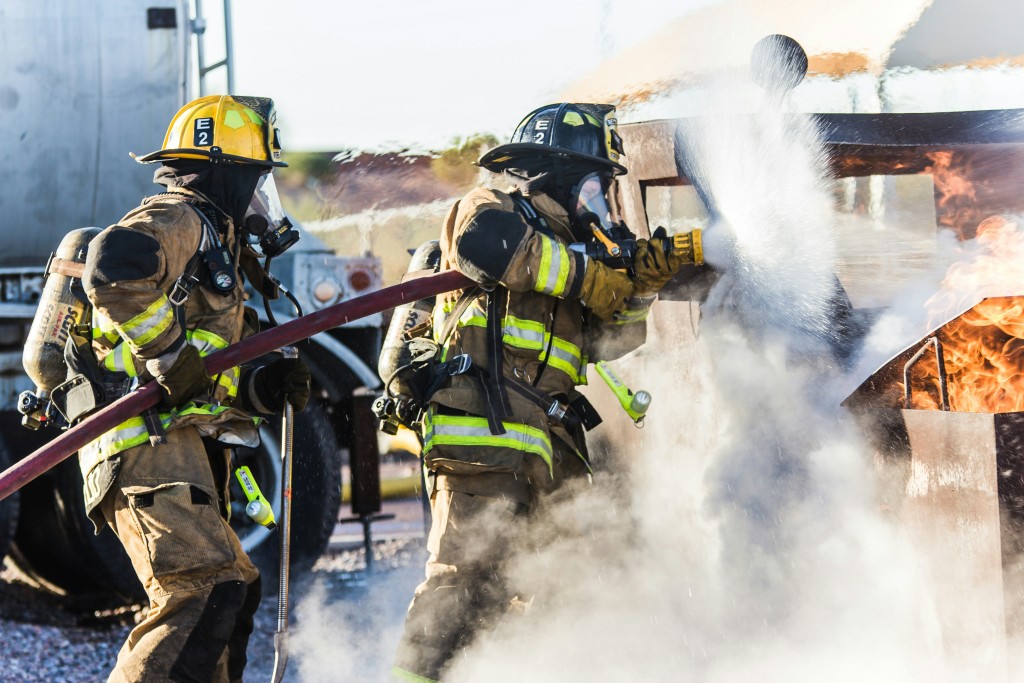
- A key training requirement is live fire exercises, which pose health and safety concerns for surrounding adjacent areas. As municipal growth and development encroaches on these training facilities, these considerations become more acute.
Our Solution and Outcome
A site visit was conducted to inspect existing facilities and interview key stakeholders. Digital photography and archive photos were used to document changes to existing training facilities and their surroundings, which impact their suitability for future training delivery. Regulatory training standards and requirements were reviewed in detail, along with municipal plans, priorities and strategic objectives, to gain an understanding of how these elements may shape both current and future training demand. Our study examined and documented a series of long-term factors and trends (including existing facility age, size, municipal growth) and more recent developments (including changes to relevant regulatory requirements, as well as recent changes in suitability and/or availability of existing facilities). The resulting report provided a concise and complete summary of current training infrastructure and demand, relevant trends and developments which will impact future requirements, and key related issues and considerations.